
How Much Does a Builder Cost in Havant? A Local Guide to Pricing
Knowing what building work should realistically cost before you start contacting builders puts you in a stronger position at every stage of the process. You can set a budget that reflects what your project actually requires, recognise a fair quote when you receive one, and spot a price that’s either suspiciously cheap or unjustifiably expensive. Without that baseline understanding, comparing quotes becomes guesswork — and guesswork with building projects usually ends up costing more than knowledge would have.
This guide sets out realistic costs for the most common domestic building projects across Havant, explains what influences the price, and gives you the information to budget accurately and evaluate quotes with confidence.
Common Project Costs Across Havant
The following prices reflect typical costs for standard domestic building work across Havant, Emsworth, Leigh Park, Bedhampton, and the surrounding area. Every project varies with specific circumstances, but these figures provide a reliable framework for initial budgeting.
Single storey rear extensions remain the most requested project across Havant. A modest three metre deep extension on a standard semi-detached house typically costs between £22,000 and £34,000 covering foundations, brickwork, roof, doors, plastering, electrics, flooring, and decoration to a habitable standard. A larger extension of four to six metres with bi-fold doors, skylights, underfloor heating, and a fitted kitchen typically costs between £34,000 and £55,000. A premium specification with large-format doors, structural glazing, and high-end finishing reaches £55,000 to £72,000. The semi-detached and detached housing across Bedhampton, the established streets around Havant town centre, and the family homes through Emsworth suit single storey extensions particularly well.
Double storey extensions deliver more space per pound because foundations, external walls, and the roof structure serve both floors. A double storey rear extension in Havant typically costs between £35,000 and £65,000 depending on size and specification. The cost per square metre drops from the £1,700 to £2,400 range for single storey to £1,300 to £1,900 for double storey — a significant saving when you need space on both floors.
Loft conversions add an entire extra floor without building outward. A Velux conversion using roof windows within the existing roof shape typically costs between £20,000 and £32,000. A rear dormer that extends outward to create more headroom and floor area costs between £28,000 and £48,000. A hip-to-gable combined with a rear dormer — popular on Havant’s semi-detached housing — costs between £38,000 and £55,000. Most include an ensuite bathroom which transforms a simple additional room into a genuine master suite.
Garage conversions offer the most affordable route to additional living space. Converting an integral or attached garage across Havant typically costs between £8,000 and £18,000 depending on size and specification. The existing walls and roof keep costs well below a new-build extension while providing a fully finished room — bedroom, office, playroom, or gym.
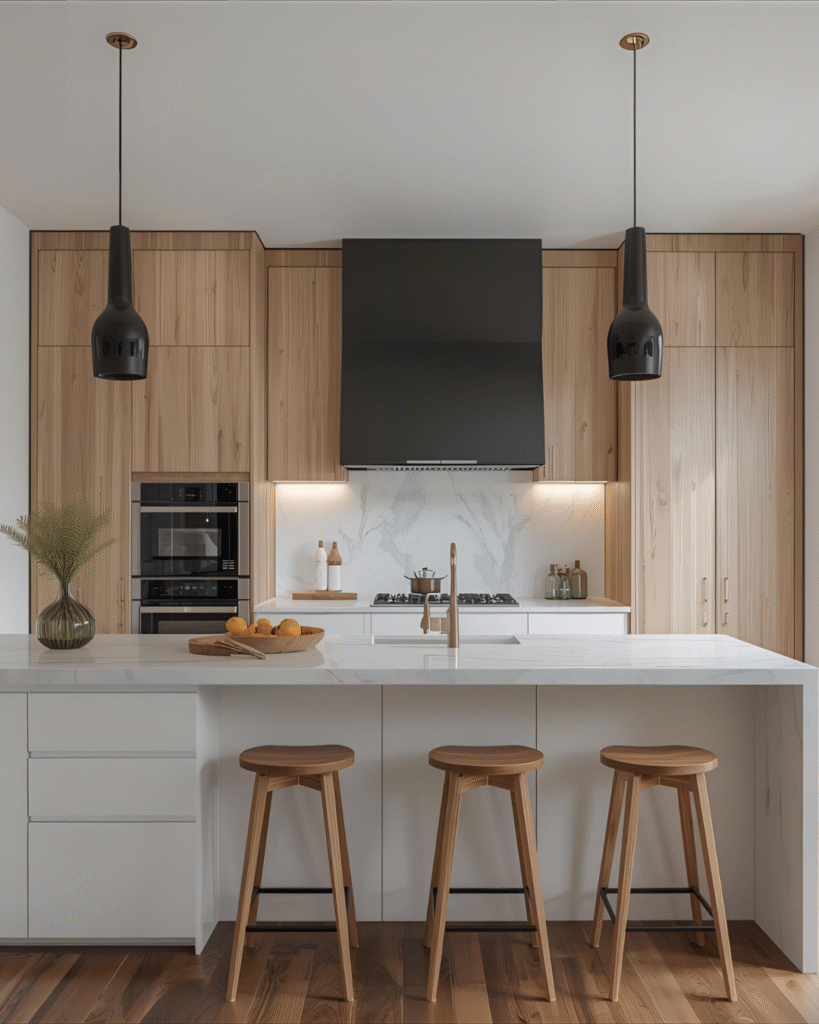
Kitchen renovations vary widely with specification. A straightforward replacement in the existing layout costs between £8,000 and £15,000. A mid-range renovation involving layout changes, new plumbing and electrics, and quality finishing costs between £15,000 and £28,000. A major kitchen project with structural wall removal, steelwork, premium units, stone worktops, and comprehensive finishing reaches £28,000 to £45,000.
Bathroom renovations follow a similar range. A basic suite replacement with retiling costs £3,500 to £6,500. A full renovation with layout changes, complete tiling, and quality sanitaryware costs £7,000 to £14,000. A premium bathroom with designer fittings, underfloor heating, and a walk-in shower or wet room conversion reaches £14,000 to £22,000.
Structural alterations — removing a load-bearing wall and fitting a steel beam for open-plan living — typically cost between £3,000 and £8,000 per opening depending on the span and the complexity of the making good. This is consistently one of the most transformative improvements per pound spent across Havant’s housing stock.
Garden rooms for home offices, studios, and gyms typically cost between £12,000 and £30,000 depending on size and specification. A compact insulated office with electrics and heating at the lower end, a larger premium room with full services and high-end finishing at the upper end.
Day Rates vs Fixed Pricing
Most significant building projects across Havant are quoted as a fixed price for the defined scope of work rather than a daily rate. Fixed pricing gives you certainty — the cost is agreed before work starts and doesn’t change unless you alter the specification. The risk of the job taking longer than planned sits with the builder.
Day rates, where they’re used for smaller or less defined work, typically range from £180 to £280 per day for an experienced builder across Havant. Specialist trades — electricians, plumbers, plasterers, tilers — each carry their own rates. However, day rates don’t include materials, waste disposal, or equipment hire, making them unreliable for budgeting larger projects.
For anything beyond a simple repair or a day’s handyman work, always request a fixed price for a clearly defined scope. It protects your budget, makes quotes comparable, and puts the incentive for efficiency with the builder rather than rewarding slower work.
What Affects Building Costs in Havant?
Several factors determine where your specific project falls within the typical price ranges.
Property age and construction type have a direct impact on labour time and complexity. Havant’s housing includes period properties in and around Emsworth and the older parts of the town centre, inter-war housing across Bedhampton and the established streets, post-war estates through Leigh Park and Warren Park, and newer developments on the edges of the area. Each era of construction presents different working conditions. Solid brick walls take longer to chase and alter than modern cavity construction. Lath and plaster behaves unpredictably compared to plasterboard. Original timbers may need reinforcing where modern materials wouldn’t. A kitchen extension on a Victorian cottage in Emsworth involves different challenges and costs than the same footprint extension on a 1980s detached house in Bedhampton.
Ground conditions affect foundation costs on any project involving groundwork. Havant sits on a mix of clay and gravel with the water table influenced by the harbour and coastal proximity. Properties closer to Langstone Harbour and the coast around Emsworth may encounter higher water tables and softer ground than those further inland. Your builder should assess the ground during the initial visit and account for conditions in the quote — standard strip foundations suit most sites but some require trenchfill or engineered solutions that add cost.
Specification choices are the factor you control most directly. Within the same room size and layout, a laminate worktop costs a fraction of quartz. Standard tiles cost a fraction of premium porcelain. Budget sanitaryware costs a fraction of designer pieces. Bi-fold doors range from £2,000 to £8,000 depending on brand, material, and size. Being clear about your specification before requesting quotes ensures every builder prices the same standard rather than making their own assumptions about what you want.
Access and site logistics influence labour costs on properties where getting materials in and waste out is difficult. Terraced houses without side access, properties on narrow streets, and sites with limited storage space for materials all add handling time that builders need to account for in their pricing.
The completeness of the quote matters more than the headline number. Some builders quote the structural shell and leave you to arrange plastering, electrics, plumbing, and decoration separately. Others quote the complete finished result. A cheaper quote that excludes four trades isn’t actually cheaper once you’ve paid those trades individually — it’s just harder to compare. Always check what’s included before deciding which quote represents the best value.
How to Compare Quotes Fairly
Get two or three quotes from experienced builders and compare them on a like-for-like basis. This means every builder needs to be pricing the same scope, the same specification, and the same level of finishing.
Write the brief down. Describing your project verbally to three different builders on three different days produces three different interpretations. A written brief specifying the size, the specification, what’s included, and what level of finishing you expect gives every builder the same starting point. The quotes you receive back are then genuinely comparable because they’re pricing the same job.
Ask for itemised quotes. A single lump sum tells you nothing. An itemised breakdown showing the cost of foundations, brickwork, steelwork, roofing, plastering, electrics, plumbing, kitchen fitting, flooring, and decoration lets you see where the money goes and identify where different builders have made different assumptions.
Check what’s excluded. Building control fees, scaffolding, skip hire, and external finishing are commonly excluded from quotes that look cheaper on the surface. Ask every builder to confirm whether these are in or out so the comparison is fair.
Don’t choose on price alone. The cheapest quote may reflect missing scope, lower specification assumptions, or less experienced tradespeople. The most expensive doesn’t guarantee the best quality. Value comes from a detailed quote at a fair price from a builder who communicates clearly, demonstrates experience with your type of project, and takes responsibility for delivering a complete, finished result.
Protecting Your Budget
Build a contingency of ten to fifteen percent into your budget above whatever your builder quotes. Building work on existing properties consistently reveals surprises — ground conditions that differ from expectations, drainage that needs rerouting, structural elements behind walls that aren’t what anyone assumed. A contingency means these discoveries are absorbed within the budget rather than forcing difficult decisions or stopping the project mid-build.
Prioritise spending on the elements that last longest and matter most. Quality foundations, properly specified steelwork, and a well-constructed roof protect everything beneath them for decades. Quality doors and windows affect daily comfort and energy bills for years. A well-fitted kitchen shows its quality every time you use it. These are worth investing in. Decoration, light fittings, and door furniture are straightforward to upgrade later if budget needs managing now.
Getting Started
If you’re planning building work at your Havant property — whether it’s a house extension, a conversion, a renovation, garden room or a project that doesn’t have a convenient label — get in touch for a free consultation. We’ll visit your property, discuss what you want to achieve, and provide a detailed, itemised quote so you can plan your project with confidence.